Big Blog II: One Last Music Culture
For the last Big Blog, "One Last Music-Culture," I have decided to research the music culture of Hawaii. I chose Hawaii because people see so many things that make Hawaii what it is known for today. There are different kinds of music that Hawaii has too.


_LACMA_M.2008.66.11.jpg/1200px-Drum_(pahu)_LACMA_M.2008.66.11.jpg)
Hawaiian music does not have any documentation of its historical music prior to the late 18th century. Their music came from different cultures. The music came from numerous styles of European music, comprising the hymns (himeni) introduced by Protestant missionary choirs. Spanish-speaking Mexican cowboys(paniolos), were in particular influential immigrants in the area of music, bringing in string instruments such as an example the guitar and possibly additionally the technique of falsetto singing, whereas Portuguese immigrants carried the ukulele-like braguinha. Also, immigrants from around the world carried their own instruments beside them to the islands.
This picture above is an example of the braguinha which is also known as Cavaquinho.
Hawaii has a rich and diverse cultural heritage that has been shaped by the Polynesian, Asian, and American influences on the islands. Here are some key cultural aspects of Hawaii:
1. The Aloha Spirit is a central aspect of Hawaiian culture that emphasizes love, peace, and compassion. It is a way of life that values kindness, unity, and respect for all people, nature, and the environment. The word "aloha" itself has many meanings, including love, affection, compassion, and mercy. The Aloha Spirit is not just a greeting or a word, but a way that permeates all aspects of Hawaiian life. It is reflected in the way on how people interact with one another, the way they care for the land and the environment, and the way they approach challenges and adversity.
2. Hula is the traditional dance of Hawaii and is an important aspect of Hawaiian culture. It is a form of storytelling through movement, music, and chanting, and is often accompanied by instruments such as the ukulele, guitar, and drums. Hula is believed to have originated in ancient Hawaii as a form of ritual and ceremony to honor gods and goddesses, as well as to commemorate important events and historical figures. It was also used as a form of communication to share stories and legends of the Hawaiian people. There are two main types of hula: hula kahiko (ancient hula) and hula 'auana (modern hula). Hula kahiko is more traditional and is characterized by slower, more rhythmic movements, while hula 'auana is more contemporary and is characterized by faster, more fluid movements. In addition to what has been said, hula often includes chanting and singing in the Hawaiian language. The lyrics of hula songs often tell stories of the islands' history, mythology, and daily life, and are an important way of preserving Hawaiian culture and language.
3. The lei is a symbol of aloha and hospitality in Hawaiian culture and is a garland of flowers or other materials worn around the neck or head. The lei tradition dates back to ancient Hawaii when it was believed that wearing a lei would bring good luck, peace, and love. They are made from a variety of materials, including fresh flowers, leaves, shells, and even feathers. The most common lei materials include plumeria, pikake, orchids, and maile leaves. Each flower or material has its own symbolism and meaning, and different leis may be worn for different occasions or events. Leis are given as gifts for many occasions, including graduations, weddings, birthdays, and other special events. They are also used as a way of welcoming visitors to the islands and expressing gratitude to friends and family. It is customary to give or receive a lei with a kiss on the cheek, as a sign of affection and respect.
While these are only a few of the key aspects of Hawaii, I think we should get into some of the more music and instruments.
The ukulele is a small, four-stringed instrument that is often associated with Hawaiian music. It was originally developed in Hawaii in the late 19th century and has since become one of the most popular instruments in the world. The ukulele is used to play both traditional and modern Hawaiian music, as well as a variety of other genres.
The Slack key guitar is a style of playing the guitar that originated in Hawaii. It involves tuning the strings of the guitar in open tunings and using fingerpicking to play the melody and chords simultaneously. The result is a rich and mellow sound that is often associated with Hawaiian music.
The steel guitar is a type of guitar that is played with a metal bar or slide. It is often used in Hawaiian music to create a unique and distinctive sound. The steel guitar is played by resting the instrument on the player's lap and sliding the metal bar over the strings to create a smooth, sliding sound.
The pahu is a type of Hawaiian drum that is made from a hollowed-out tree trunk. It is played with the hands and produces a deep, resonant sound. The pahu is often used in traditional Hawaiian music and dance and is an important part of Hawaiian culture.
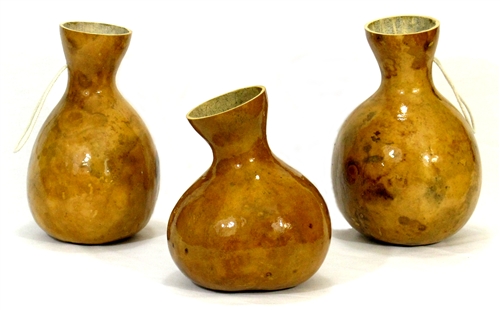
The ipu is a gourd instrument that is used to keep rhythm in traditional Hawaiian music. It is often used in hula dancing and is played by tapping or slapping the surface of the gourd with the hands. The ipu can produce a variety of sounds depending on the size and shape of the gourd.
After learning about Hawaii and its culture, I have enjoyed learning different facts about everything. I hope one day that I can take a trip to Hawaii and take what I've learned and get to experience more than what I already know.
Sources
https://kids.kiddle.co/Lei_(Hawaii)
https://www.gohawaii.com/hawaiian-culture
https://en.wikipedia.org/wiki/Music_of_Hawaii#Music_history
https://www.homeyhawaii.com/blog/music/hawaiian-music-origins-and-evolution/
https://hellomusictheory.com/learn/hawaiian-instruments/


I never knew that there were multiple types of Hula dancing. I also liked learning about the Aloha Spirit. I can tell positivity is a large part of Hawaiian culture.
ReplyDelete